About All Tours From Denver ToursFrom Estes Park ToursWildlife ToursSafari ToursSelf-Guided Audio ToursHiking ToursPrivate Tours Directions Hours & Fees
Find Tours 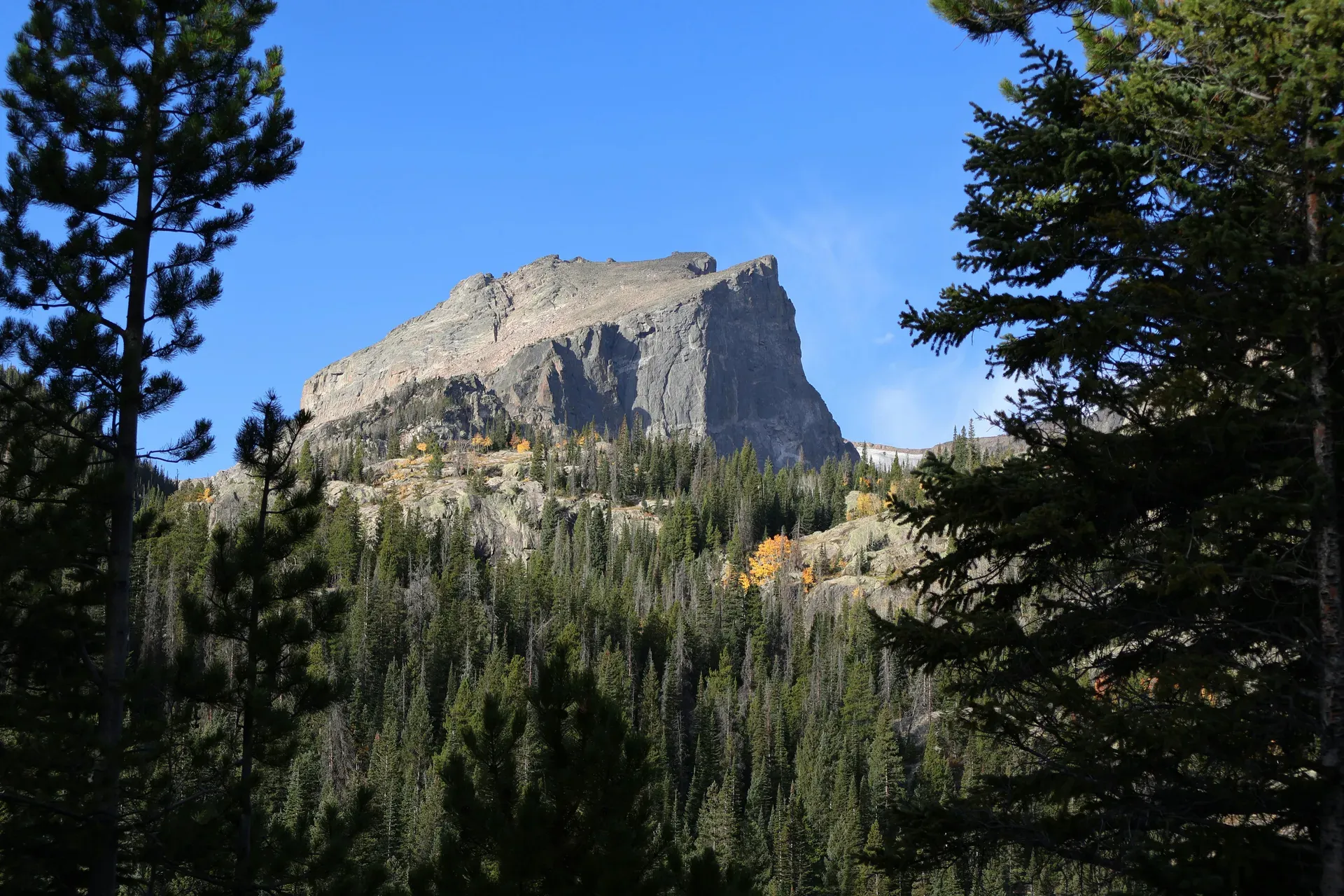
Rocky Mountain National Park spans 415 square miles of high-altitude wilderness in north-central Colorado. The landscape features 60 peaks exceeding 12,000 feet, bisected by the Continental Divide.
Extreme elevation defines the 415-square-mile landscape of Rocky Mountain National Park in north-central Colorado. The Continental Divide bisects the terrain, creating distinct weather patterns on the eastern and western slopes. One-third of the park sits above the tree line in the alpine tundra zone. High winds and freezing temperatures force mosses and wildflowers to grow in miniature close to the ground. Below the tundra, subalpine forests and montane meadows dominate the valleys. The park sits 60 miles northwest of Denver, drawing millions of drivers and hikers each summer.
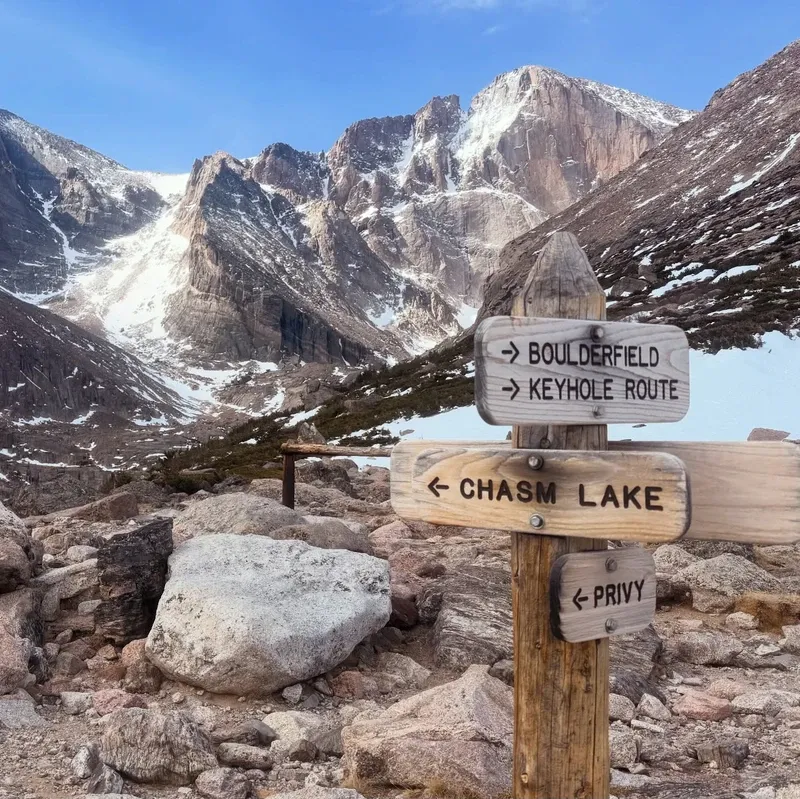
Visitors navigate this terrain via 350 miles of dirt and rock trails. Hikes range from the flat 0.75-mile Sprague Lake loop to the grueling ascent of 14,259-foot Longs Peak. Trail Ridge Road, a 48-mile paved highway, climbs above 12,000 feet to give drivers direct access to the tundra. Heavy winter snow forces the closure of this road from November through April. High-elevation trails require snowshoes and advanced winter survival gear during these frozen months. Those needing mobility assistance can reserve a free three-wheeled all-terrain wheelchair through the Rocky Mountain Conservancy to navigate the dirt paths.
Altitude sickness strikes frequently here. Headaches and nausea ruin trips for those traveling straight from sea level. Spend the first 24 hours walking lower-elevation paths in the Kawuneeche Valley or driving the open sections of the park roads. Start major hikes before 6:00 a.m. to secure parking at Bear Lake and avoid the deadly lightning storms that strike the exposed tundra every summer afternoon.
The Ute and Arapaho peoples hunted and traveled across these peaks for thousands of years. The Arapaho arrived in the region around 1790, establishing summer camps in the high valleys to escape the heat of the plains. Spanish explorer Francisco Vázquez de Coronado marched his expedition into the broader mountain range in 1540. Seven decades later, the Spanish founded Santa Fe at the southern foot of the Rockies. European fur trappers and gold prospectors pushed into the Colorado mountains throughout the 1800s. These settlers altered the landscape rapidly by building mining camps and engaging in unregulated hunting.
Enos Mills, a naturalist living in Estes Park, spent the early 20th century documenting the ecological value of the high-altitude terrain. He lobbied Congress relentlessly to protect the fragile alpine tundra and subalpine forests from logging and overgrazing. His campaign succeeded on January 26, 1915. The federal government officially established Rocky Mountain National Park on that date. The initial boundaries protected a core section of the Continental Divide, which later expanded to the current 265,807 acres.
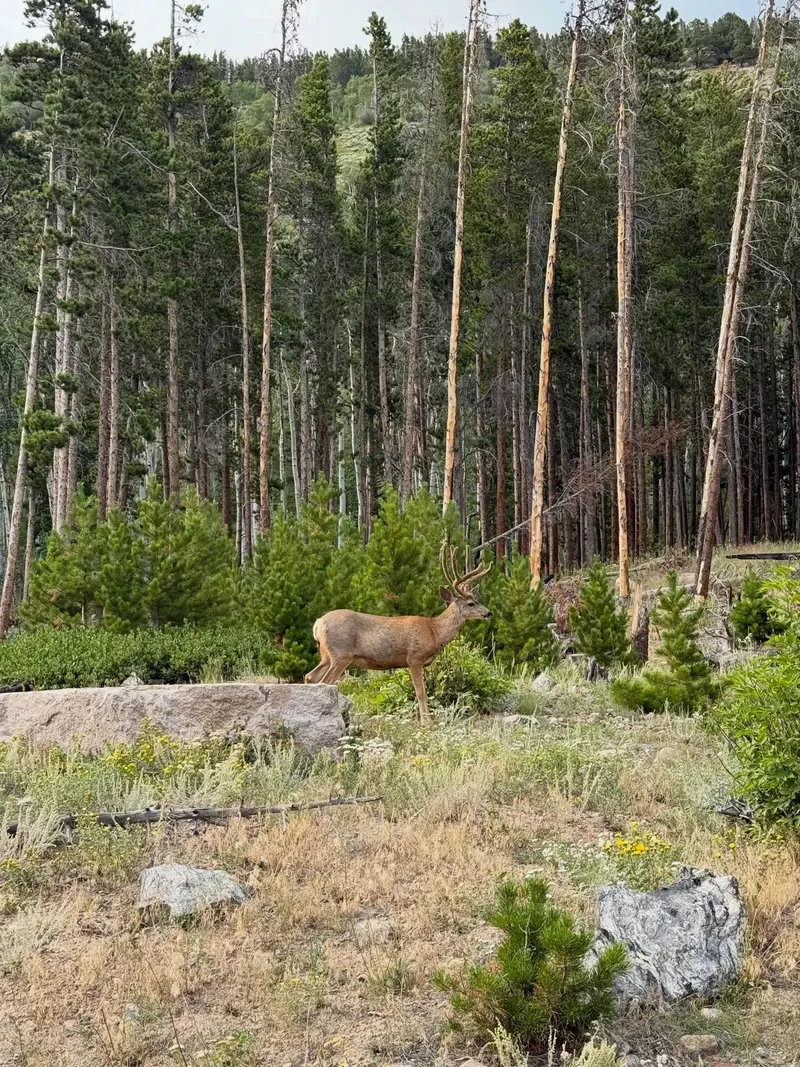
Construction crews completed Trail Ridge Road in the 1930s. This engineering project replaced older, steeper wagon routes and allowed automobiles to cross the Continental Divide at 12,183 feet. The park functions today as a critical sanctuary for elk, bighorn sheep, and moose. Scientists also use the protected boundaries as a global bellwether for climate change research, monitoring the shrinking alpine tundra. Record visitation numbers recently forced the implementation of a timed-entry reservation system. Drivers must book a specific entry window on Recreation.gov and pay a $2 processing fee to pass the gates between May and October.
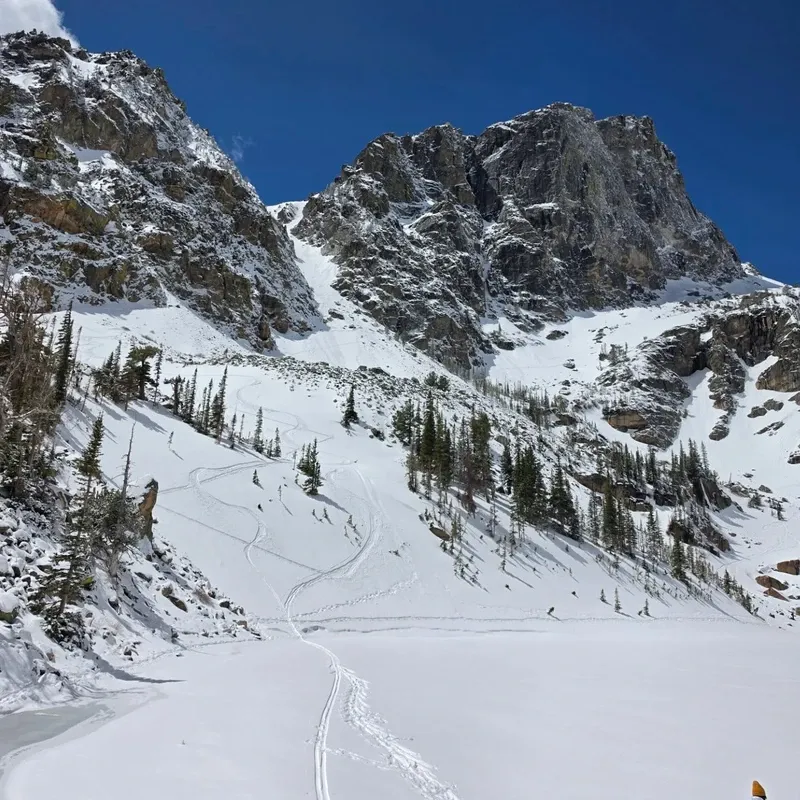
The Laramide Orogeny formed the Rocky Mountains between 35 and 65 million years ago. Massive tectonic plates collided, pushing ancient granite and gneiss rock layers thousands of feet into the air. Glaciers later carved these uplifted blocks into the jagged peaks and deep U-shaped valleys visible today. Within the park boundaries, 60 distinct mountains rise above 12,000 feet. Longs Peak anchors the eastern edge of the park, towering 14,259 feet above sea level with a sheer vertical east face known as the Diamond.
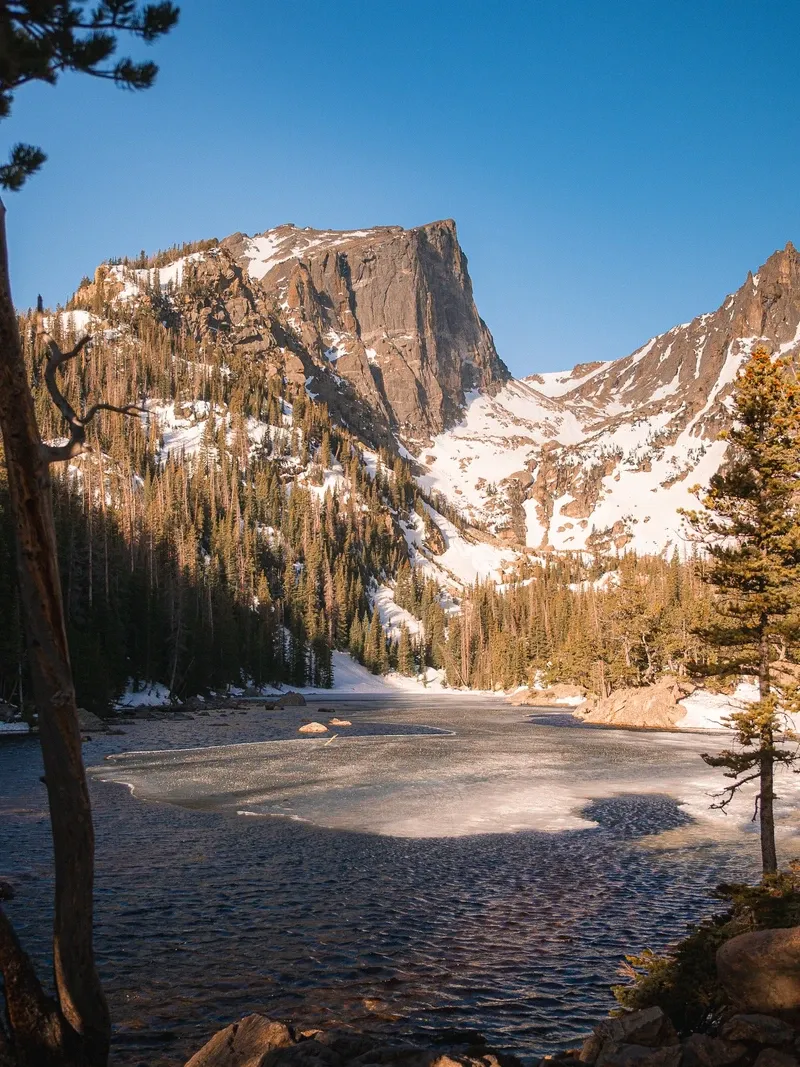
Water shapes the lower elevations across the eastern slope. The Bear Lake to Emerald Lake trail highlights this glacial hydrology, passing three distinct alpine lakes in just 1.8 miles. Hikers walk past Nymph Lake, covered in yellow pond lilies, before reaching Dream Lake and finally Emerald Lake. This final body of water sits in a steep granite cirque beneath Hallett Peak. Rivers cascade over natural fault lines nearby, creating features like the 30-foot Alberta Falls along Glacier Creek. The mist from the waterfall coats the surrounding giant boulders, making them slick and dangerous to climb.
The Kawuneeche Valley dominates the western side of the park. The Colorado River begins its 1,450-mile journey to the ocean here, meandering as a narrow, shallow stream through marshy meadows. Willows line the riverbanks, providing a primary food source for the local moose population. Visitors walking the accessible Coyote Valley Trail at dawn frequently spot these 1,000-pound animals standing chest-deep in the freezing water. Stay at least 120 feet away from any moose, as they charge without warning when approached.
The Ute people view the high peaks of the Rockies as a sacred landscape intricately tied to their creation stories. They traveled into the alpine tundra during the brief summer months to hunt game and gather medicinal alpine plants. The Arapaho, who later controlled the eastern slopes, left behind physical markers of their presence. Stone game drives sit above the tree line today. Hunters built these low rock walls to funnel elk and bighorn sheep into ambush points. These ancient structures demonstrate how indigenous groups engineered the harsh high-altitude environment to survive.
The Kawuneeche Valley attracted a different type of settlement in the early 1900s. German immigrant John Holzwarth built a trout lodge and a series of rustic cabins along the Colorado River. The Holzwarth Historic Site preserves these structures today. Visitors walk through the original ice house and taxidermy shop, examining the heavy tools and thick animal hides required to survive winters where temperatures drop to 30 degrees below zero.
The gateway town of Estes Park relies entirely on the national park for its economic survival. Millions of hikers and drivers pass through the town's eastern entrance each summer. Local outfitters rent snowshoes, sell bear spray, and guide fly-fishing trips on the Big Thompson River. The town also houses the Stanley Hotel, a historic 1909 structure that inspired Stephen King's novel The Shining. Buy your supplies in this town before driving up the mountain, as the national park contains zero restaurants, grocery stores, or gas stations within its borders.
The FAA strictly prohibits all drones within the park boundaries. Rangers issue heavy fines to violators, with no exceptions for licensed commercial pilots.
One-third of the entire park sits above the tree line. This fragile alpine tundra ecosystem features miniature plants adapted to freezing winds.
The mighty Colorado River begins as a tiny stream in the Kawuneeche Valley. It flows 1,450 miles from the park to the Gulf of California.
Federal law requires visitors to stay 120 feet away from bears and moose. You must maintain a 75-foot distance from elk and bighorn sheep.
Summer thunderstorms roll over the peaks almost every afternoon. Hikers must descend below the tree line before noon to avoid fatal lightning strikes.
Pets cannot walk on any hiking trails, tundra, or meadows. You can only walk dogs on paved roads, in campgrounds, and in picnic areas.
A $15 round-trip bus runs from Boulder to the park on weekends. The ticket includes a timed-entry permit and drops riders at the main transit hub.
Yes. From May 22 through mid-October, you must book a timed entry permit on Recreation.gov. The Bear Lake Road Corridor requires a specific permit from 5 a.m. to 6 p.m., while the rest of the park requires one from 9 a.m. to 2 p.m.
A standard 1-day vehicle pass costs $30.00 and covers all passengers in a private vehicle. Non-US residents must pay an additional $100.00 per person fee on top of the standard entrance pass. You can purchase digital passes online or at staffed entrance stations.
Crews typically clear the snow by late May, keeping the 48-mile highway open until mid-October. Heavy winter snow forces a complete closure of the road to through traffic from November through April.
No. The park contains zero lodging, restaurants, or gas stations. You must bring your own food and water, and book hotels in nearby gateway towns like Estes Park or Grand Lake.
Denver International Airport (DEN) sits 60 miles from the eastern entrance. Drivers take the E-470 toll road to I-25 north, then Highway 66 to Lyons, reaching the park in about 90 minutes.
No. The National Park Service strictly bans all unmanned aircraft within the park boundaries. This applies to all areas, and rangers make no exceptions for FAA-licensed operators.
Spend your first day at lower elevations like the Kawuneeche Valley to let your body acclimate. Drink plenty of water and immediately descend if you develop a headache or nausea.
No. Dogs cannot walk on any dirt trails, meadows, or tundra areas to protect the local wildlife. You must keep them on a leash in parking lots, campgrounds, and along paved roads.
Stop immediately and back away slowly. Federal law dictates you must maintain a distance of at least 120 feet from bears and moose at all times.
Yes. The 0.75-mile Sprague Lake loop and the Coyote Valley Trail offer flat, accessible paths. Visitors can also reserve a free all-terrain wheelchair through the Rocky Mountain Conservancy to navigate dirt trails.
Browse verified tours with free cancellation and instant confirmation.
Find Tours