About All Tours From Denver ToursFrom Estes Park ToursWildlife ToursSafari ToursSelf-Guided Audio ToursHiking ToursPrivate Tours Directions Hours & Fees
Find Tours 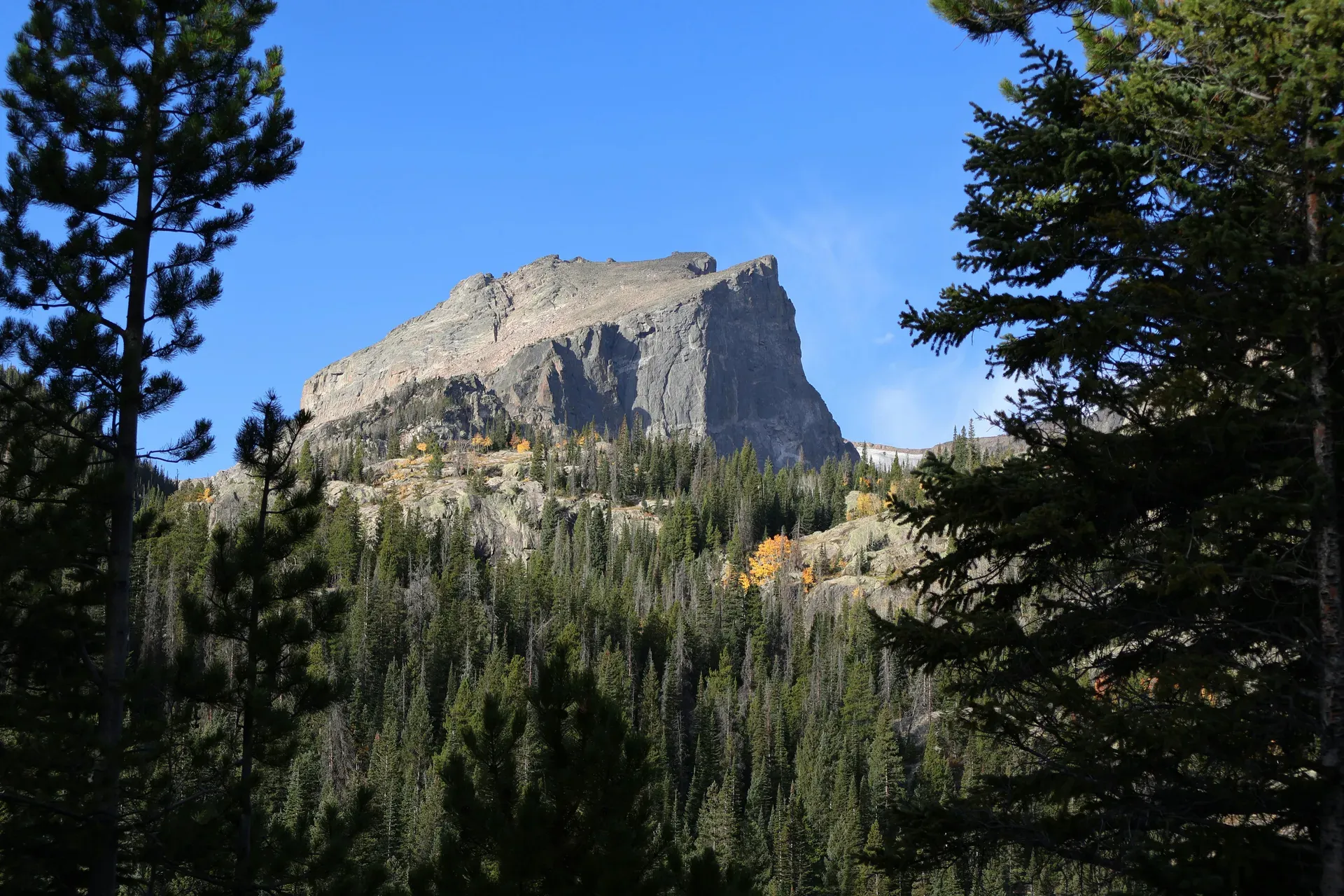
Spanning 415 square miles in north-central Colorado, Rocky Mountain National Park features over 60 peaks rising above 12,000 feet. Visitors can drive the 48-mile Trail Ridge Road through the alpine tundra or hike more than 350 miles of trails to spot grazing elk and moose.
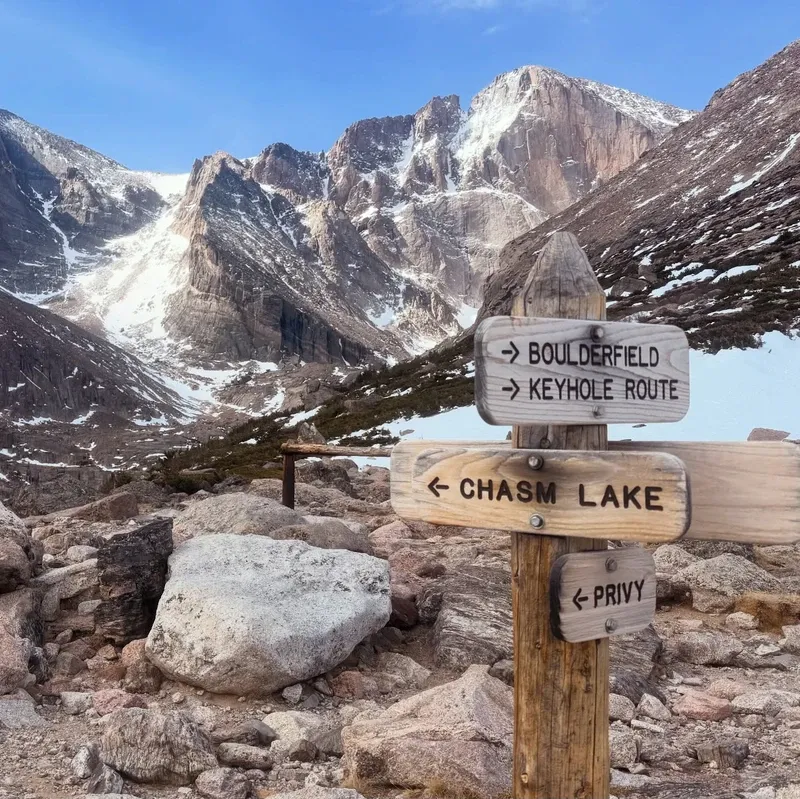
Find Guided ToursRocky Mountain National Park is a 415-square-mile high-altitude wilderness located 60 to 70 miles northwest of Denver in north-central Colorado. The park protects a dramatic section of the broader Rocky Mountains, a 3,000-mile chain that stretches from Canada to New Mexico. These rugged landscapes were formed during the Laramide Orogeny between 65 and 35 million years ago. Today, the park is defined by extreme vertical scale. It features over 60 peaks rising above 12,000 feet, anchored by the towering 14,259-foot Longs Peak.
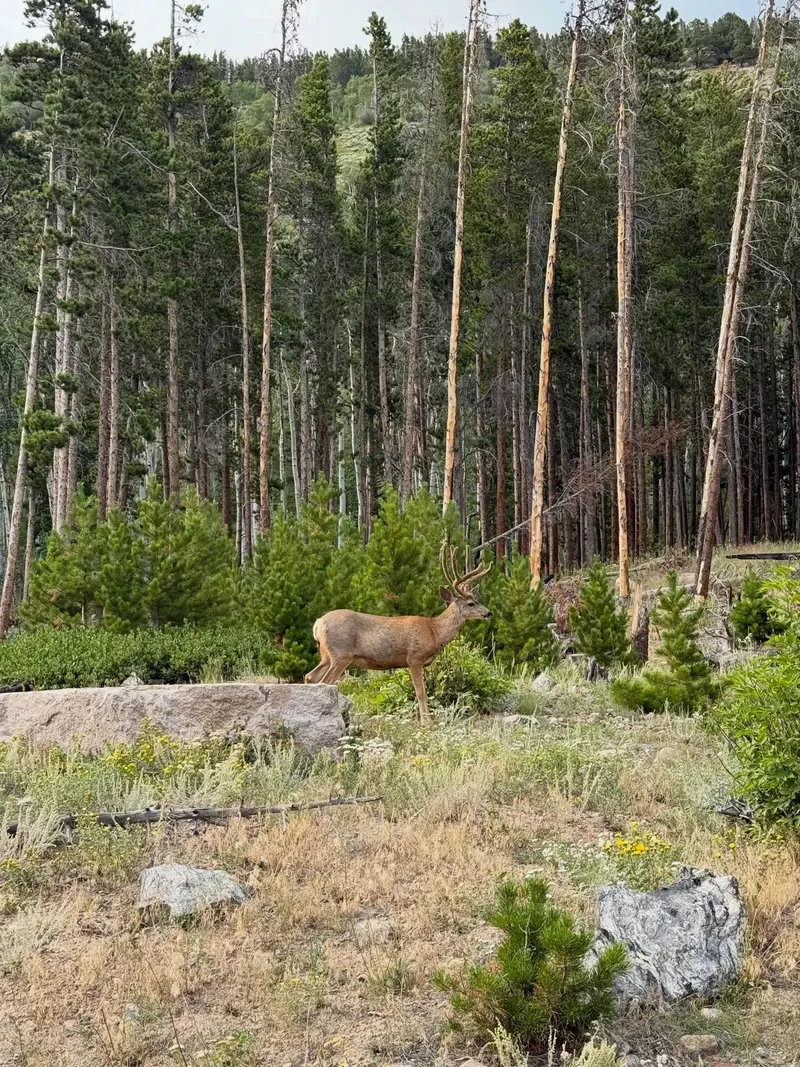
The park encompasses a diverse range of environments, from montane valleys and subalpine forests to glistening alpine lakes. One-third of the park lies above the tree line, creating a fragile alpine tundra ecosystem where freezing temperatures and high winds force grasses, mosses, and wildflowers to grow in miniature. Bisected by the Continental Divide, this wilderness serves as a critical sanctuary for wildlife like elk, moose, and bighorn sheep. It also functions as an important global bellwether for studying the impacts of climate change.
Long before its federal designation, this region served as the ancestral homeland of the Mountain Ute and later the Arapaho peoples, who arrived around 1790. Spanish explorer Francisco Vázquez de Coronado marched into the area in 1540, preceding the eventual founding of Santa Fe at the foot of the Rockies in 1610.
In the early 20th century, Estes Park naturalist Enos Mills documented the area's ecological value and lobbied extensively for its permanent protection. His efforts succeeded when Congress officially established Rocky Mountain National Park on January 26, 1915, making it the tenth national park in the United States. Visitors now explore this protected landscape via over 350 miles of hiking trails.
Discover the full history and cultural significance on our About page.
Trail Ridge Road is a 48-mile seasonal highway that climbs past 12,000 feet. Drivers can pull over to view the wind-swept alpine tundra and over 60 mountain peaks. Stop at the Alpine Visitor Center for snacks before the road descends into the montane valleys.
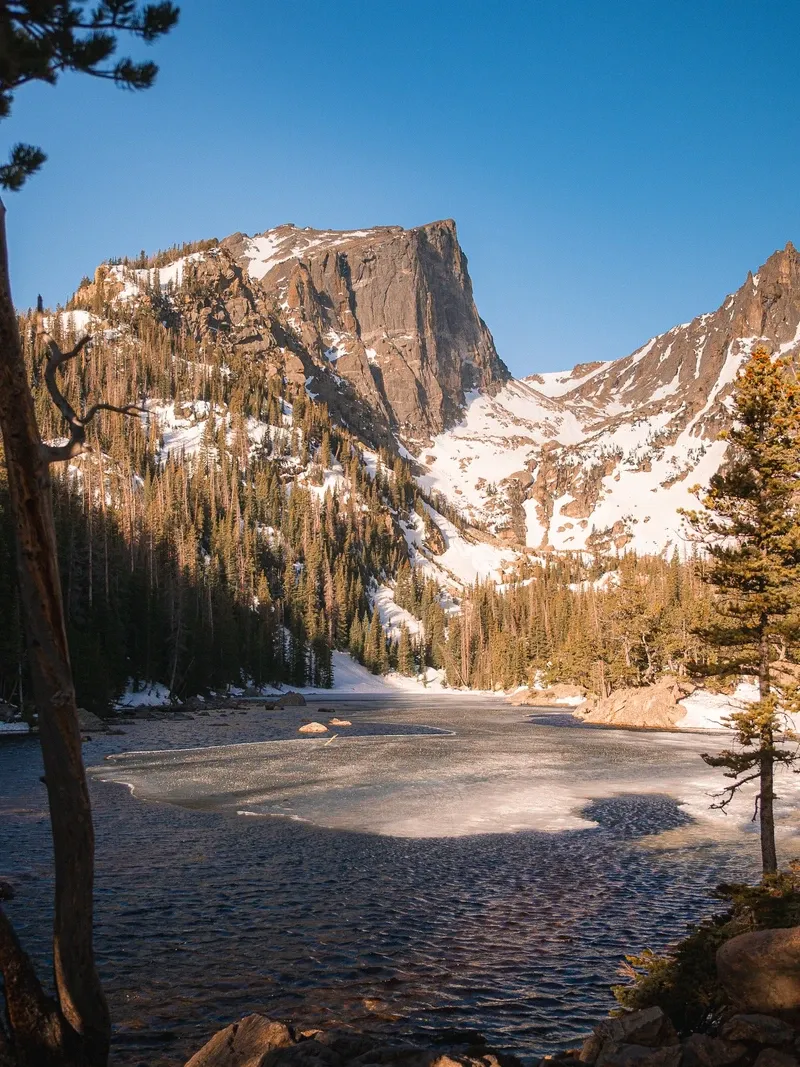
The popular trail starting at Bear Lake leads past Nymph and Dream Lakes. Hikers see clear views of jagged Hallett Peak reflecting in the still water. Arrive before 6:00 a.m. to secure parking at the trailhead and avoid dangerous afternoon lightning storms.
Head to the quieter western edge of the park to walk the accessible Coyote Valley trail. Early morning visitors often spot elk and moose grazing in the wet meadows. By law, you must maintain a safe distance of at least 120 feet from the moose.
This 1.6-mile round-trip route begins at the Glacier Gorge Trailhead and leads directly to a rushing 30-foot waterfall. You can sit on the giant, smooth boulders lining the mountain stream. Bring your own drinking water, as untreated natural sources can carry harmful bacteria.
Hand-picked tours with free cancellation and verified reviews
 Free Cancellation 8h
  Free Cancellation 4h
  Free Cancellation 3h
  Free Cancellation 10h
  Free Cancellation 8h
  Free Cancellation 8h
  Free Cancellation
  Free Cancellation
 June through October are the optimal months to explore the park's 415 square miles. During this window, Trail Ridge Road is fully accessible and visitors can enjoy clear hiking conditions alongside active wildlife.
Heavy winter snow and freezing temperatures persist through April, keeping Trail Ridge Road closed and making driving hazardous. Conditions improve by late May when the seasonal highway typically reopens.
This is the peak season for hiking and wildlife viewing. Trail Ridge Road is fully open, summer wildflowers bloom across the alpine tundra, and temperatures are ideal despite common afternoon thundershowers.
September and October offer spectacular golden aspen foliage and the chance to hear elk bugling. Heavy snow and freezing temperatures return in November, closing seasonal roads and creating challenging conditions.
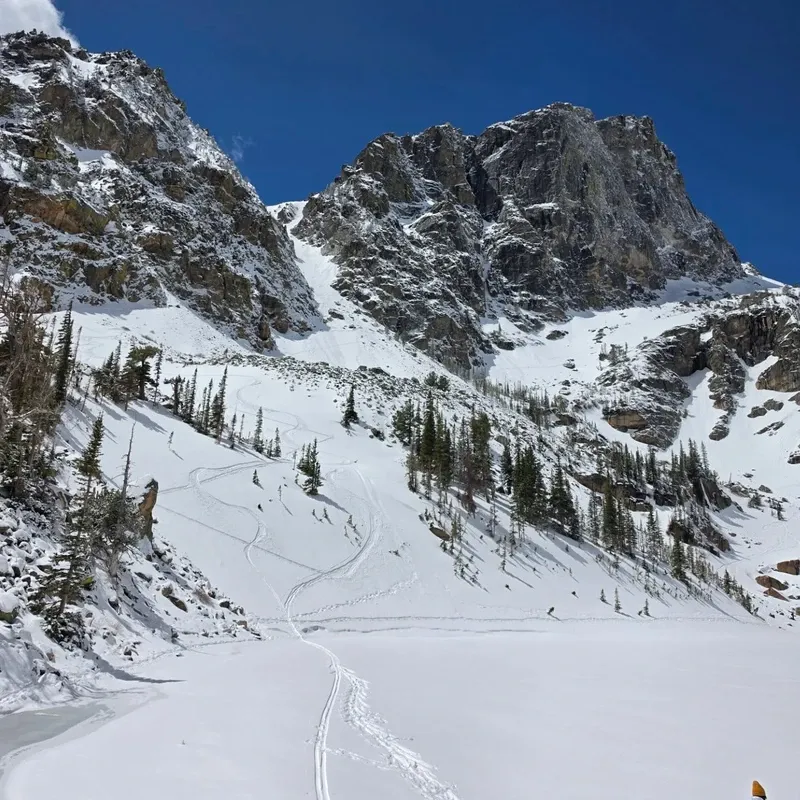
These months are highly challenging due to freezing temperatures, heavy snow, and hazardous driving conditions. Trail Ridge Road is completely closed, and high-elevation trails require specialized gear like snowshoes.
Rocky Mountain National Park is open 24 hours a day, 365 days a year, weather permitting. Note that Trail Ridge Road is closed to through travel from November through April due to heavy winter snow. The park's Information Office operates daily from 8:00 a.m. to 4:00 p.m. in the summer. During the winter, office hours are 8:00 a.m. to 4:00 p.m. Monday through Friday, and 8:00 a.m. to 12:00 p.m. on Saturdays and Sundays.
| Category | Price |
|---|---|
| 1-Day Private Vehicle Pass (covers all passengers) | $30.00 |
| Standard Entrance Passes | $15.00 to $35.00 |
| Non-US Resident Surcharge (per person, added to standard pass) | $100.00 |
| Timed Entry Reservation Processing Fee | $2.00 |
A valid entrance fee or park pass is required 24/7. From May 22 through mid-October, timed entry reservations are also required to enter the park during peak hours. These must be booked in advance on Recreation.gov. The Bear Lake Road Corridor requires a timed permit from 5:00 a.m. to 6:00 p.m., while the rest of the park requires a permit from 9:00 a.m. to 2:00 p.m.
For complete schedules and ticket prices, visit our Hours & Fees page.
Most visitors access Rocky Mountain National Park by flying into Denver International Airport, located 60 miles away. From there, travelers can reach the park's eastern boundary via private vehicle, commercial shuttle, or a regional bus connection.
Driving from Denver International Airport to the eastern entrance requires navigating a few major highways. Travelers take the E-470 toll road to Interstate 25 north, then follow Highway 66 west to the town of Lyons. Finally, Highway 36 leads directly into Estes Park at the park boundary. This route covers approximately 60 miles from the airport.
A seasonal Bustang bus service runs from Boulder's Table Mesa Park-N-Ride on weekends and holidays. The route stops at the Estes Park Visitor Center before continuing to the transit hub inside the national park. Buying a bus ticket conveniently includes the mandatory timed-entry permit. This eliminates the need to secure a separate park reservation for your visit.
Direct public transportation from Denver International Airport to the national park does not exist. Instead, travelers can book commercial shuttles that run directly to the gateway community of Estes Park. Upon arriving, passengers can easily connect to the park's free shuttle system to reach major trailheads. This provides a practical alternative for visitors traveling without a private vehicle.
For detailed transport options and routes, visit our Directions page.
From May 22 through mid-October, entering the park during peak hours requires a timed entry reservation via Recreation.gov. Cell service near the entrance gates is notoriously nonexistent. Take a screenshot of your confirmation and QR code before leaving your accommodation to ensure smooth access.
Popular parking areas like Glacier Gorge and Bear Lake typically fill up by 6:00 a.m. Arriving early also protects you from dangerous afternoon lightning strikes common on the open tundra. Plan to finish high-elevation hikes and get back below the tree line before noon.
Over one-third of Rocky Mountain National Park sits above the tree line. Give your body time to adjust by spending your first day on flat, lower-elevation trails like the 0.75-mile Sprague Lake loop. If you develop headaches or nausea, descend immediately and drink plenty of water.
Federal law dictates strict distances when viewing the park's animals. You must stay at least 120 feet away from bears and moose, and 75 feet from elk and bighorn sheep. Flash photography is strictly prohibited, and approaching these animals can result in citations.
The park contains zero restaurants, stores, or food services within its 415-square-mile boundary. You must pack enough meals and full water bottles for your entire day. Never drink untreated water directly from streams or lakes, as it can carry harmful bacteria and parasites.
Avoid parking frustrations by using the free shuttle system connecting the Estes Park Visitor Center to the Bear Lake Corridor. Weekend visitors from Boulder can take the Bustang bus for a $15.00 round-trip fare. Wheelchair users can also reserve a free all-terrain wheelchair through the Rocky Mountain Conservancy.
This gateway town features a downtown riverwalk lined with local shops, fudge parlors, and craft breweries. Visitors can also tour the historic Stanley Hotel, which famously inspired Stephen King's novel The Shining.
Located on the western edge of the national park, this historic town provides water recreation on Colorado's largest natural lake. You can explore local dining options like the Sagebrush BBQ & Grill or visit the rustic Grand Lake Lodge.
These expansive public lands share a border with the national park and provide alternative recreation areas without strict timed-entry requirements. The forests are excellent for hiking, dispersed camping, and off-road ATV or Jeep adventures.
Read what travelers share about their experience visiting Rocky Mountain — from practical tips to personal highlights.


From May 22 through mid-October, visitors must secure a timed entry reservation to enter the park during peak hours. You can book this on Recreation.gov for a $2.00 processing fee. There are two permit types: one for the Bear Lake Road Corridor valid from 5 a.m. to 6 p.m., and one for the rest of the park valid from 9 a.m. to 2 p.m.
A standard 1-day vehicle pass costs $30.00 and covers all passengers in a private vehicle. Non-US residents are required to pay an additional $100.00 per person fee. You can purchase these digital passes online via Recreation.gov or at staffed entrance stations.
June through September are the most ideal months because Trail Ridge Road is fully open and weather conditions suit hiking. September and October are also highly recommended for viewing golden aspen foliage and hearing elk bugle during their mating season. Avoid November through April if you do not have winter gear, as heavy snow closes Trail Ridge Road to through travel.
The park's eastern entrance is located 60 miles from Denver International Airport. Driving takes approximately 90 minutes via the E-470 toll road, I-25 north, Highway 66 to Lyons, and Highway 36 into Estes Park. Alternatively, a weekend Bustang bus service runs from Boulder to the park for $15.00 round-trip.
Weather at high altitudes changes rapidly, so bring warm, waterproof layers, sun protection, and a hat. Wear sturdy, mid-ankle hiking boots to safely navigate rocky trails. You must also pack your own food and water, as there are no food services or stores inside the 415-square-mile park.
Yes, the park features several accessible trails with minimal elevation gain, including the 0.75-mile Sprague Lake loop and the Coyote Valley Trail. Visitors can also reserve a rugged, three-wheeled all-terrain wheelchair at no cost through the Rocky Mountain Conservancy. Accessible shuttle buses and 135 concrete picnic tables are available throughout the park as well.
Federal law requires visitors to stay at least 120 feet away from potentially dangerous animals like bears and moose. For other wildlife, including elk and bighorn sheep, you must maintain a distance of at least 75 feet. Flash photography of wildlife and approaching animals are strictly prohibited.
The park itself is open 24 hours a day, 365 days a year, weather permitting. However, the Information Office operates from 8:00 a.m. to 4:00 p.m. daily during the summer. Winter Information Office hours are 8:00 a.m. to 4:00 p.m. on weekdays and 8:00 a.m. to 12:00 p.m. on weekends.
Browse verified tours with free cancellation and instant confirmation.
Find Tours